

Celebrating the HEAL K12 Class of 2023
The 2023 HEAL K12 Scholars have successfully completed the program. During their appointments, these clinician-scientists pursued tailored training, conducted clinical pain research, and received cross-disciplinary mentorship from nationally recognized researchers and people with lived pain experience. We are proud to recognize their accomplishments and their continued contributions to the clinical pain research workforce.
Their biographies below reflect the expertise, research interests, and perspectives they brought to the HEAL K12 community.
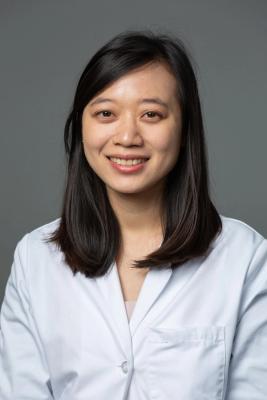
Jessica Ma, MD
Assistant Professor of Medicine
Institution:
Duke University
Home Mentor:
Hayden Bosworth, PhD
Pain Management Decision Making in Advanced Kidney Disease
Jessica Ma, MD is a palliative medicine and internal medicine physician and health services researcher. She is a Medical Instructor in the Division of General Internal Medicine at Duke University School of Medicine. She is also a staff physician in the Durham VA Health System, where she sees patients on the inpatient palliative care consult service, inpatient hospice unit, and outpatient palliative care clinic. She completed her internal medicine residency at Washington University in St Louis in 2017. After her internal medicine residency, she was a VA Chief Resident in Quality and Safety at the St Louis John Cochran VA. She then completed her fellowship in hospice and palliative care at Duke University in 2019 and health services research and development at the Durham VA in 2021. She is also the Past Chair of the Early Investigators Forum in the American Academy of Hospice and Palliative Medicine. Her research focuses on improving symptom management for patients with serious illnesses through clinician behavior change, specifically focusing on clinician and patient pain management decision making in advanced chronic kidney disease.
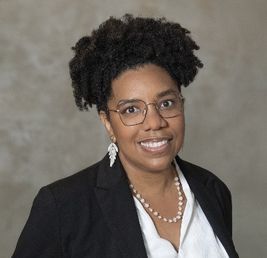
Lakeya McGill, PhD
Assistant Professor of Medicine
Institution:
University of Pittsburgh
Home Mentor:
Leslie Hausmann, PhD
Research Interests: Health Equity, Pain Disparities, Sickle Cell Disease, Social Determinants of Health, Psychosocial, Behavioral & Multilevel Interventions
Dr. Lakeya McGill is an assistant professor of medicine and a licensed clinical psychologist in the Division of General Internal Medicine. Her current research focuses on discovering knowledge that promotes equitable pain care for all patients, including in adults with sickle cell disease (SCD). Her long-term goal is to become a leader in clinical pain research and advance a research program that (1) examines the impact of sociocultural, environmental, and psychological factors on chronic pain-related outcomes and disparities, (2) identifies protective and risk factors for chronic pain-related outcomes and (3) develops and implements personalized, culturally appropriate psychosocial and multi-level chronic pain interventions.
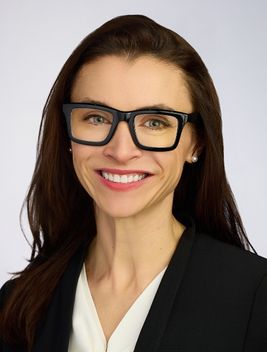
Bridget Mueller, MD, PhD
Assistant Professor-Research Director
Institution:
Icahn School of Medicine at Mount Sinai
Home Mentor:
Jessica Robinson-Papp, MD, MS
STress REsponse Systems in Fatigue and Migraine Chronification (STREAM)
Bridget Mueller, MD, PhD, is the Research Director of the David S. and Ruth L. Gottesman Center for Headache Treatment and Translational Research at the Icahn School of Medicine at Mount Sinai (ISMMS). Dr. Mueller received a Bachelor of Science from Brown University and a PhD in Neuroscience from the University of Pennsylvania where her research focused on neurodevelopment and the hypothalamic-pituitary-adrenal (HPA) axis. Dr. Mueller also completed a postdoctoral research at Columbia University Medical Center where she studied the hypothalamic neural circuitry underlying body-weight set point. Dr. Mueller has clinical practices at ISMMS’s David S. and Ruth L. Gottesman Center for Headache Treatment and Translational Research, and the ISMMS Autonomic Function Laboratory. Her clinical expertise includes migraine and secondary headache disorders, with a specific focus on pain that results from autonomic nervous system dysfunction and vascular disorders. Dr. Mueller is fellowship trained in headache and pain medicine and is proficient in administering botulinum toxin injections for migraine, nerve blocks, sphenopalatine ganglion blocks, and trigger point injections. Dr. Mueller’s current research involves understanding the relationship between autonomic nervous system dysfunction, inflammation, and chronic pain. Dr. Mueller’s work has been published in many neurology journals and she has presented at various conferences including the meetings for the American Academy of Neurology, the American Headache Society, the Headache Cooperative of New England, and the Society for Neuroscience. As a medical student, she received the 2015 New York School of Medicine American Academy of Neurology Award for Excellence in Neurology. As chief resident, she received the 2019 ISMMS American Academy of Neurology Award for Excellence in Residency. For her work examining the role of the autonomic nervous system in migraine, she received the 2019 American Headache Society Award for Research Advocacy. In addition to her own projects, Dr. Mueller participates in neurology and pain clinical trials and was selected to be a 2020 Network for Excellence in Neuroscience Clinical Trials fellow.
Current K12 Scholars
2024 Class of HEAL K12 Scholars
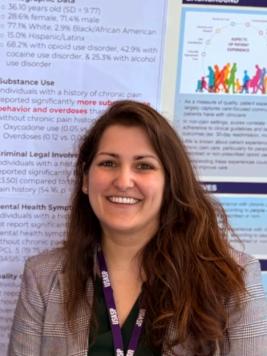
Abigail Helm, MS, PhD
Assistant Professor
Institution:
University of Massachusetts Chan Medical School
Home Mentor:
David Smelson, PsyD
Response Inhibition in Opioid Use Disorder, Depression, and Chronic Pain
Dr. Abigail Helm is an Assistant Professor in the Division of Health Systems Science and Department of Medicine at the University of Massachusetts Chan Medical School. Dr. Helm’s background is in neuroscience, cognitive psychology, and developmental psychology, with over 10 years of research experience across a variety of small-scale experimental studies and large randomized controlled trials. Dr. Helm’s current work on multiple federally funded (NIMH, CDC, VA) randomized controlled trials examines evidence-based interventions to treat co-occurring mental health and substance use disorders. Dr. Helm’s specific areas of interest are: (1) assessing impacts of chronic pain and co-occurring addiction and mental health disorders on cognition and (2) adapting multimodal interventions to treat chronic pain and co-occurring disorders.
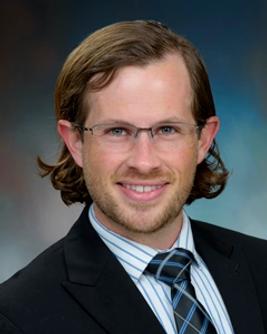
Ryan Pontiff, PT, DPT, PhD, OCS, FAAOMPT
Assistant Professor of Instruction and Director of Clinical Education for the Hybrid DPT Program
Institution:
University of Texas Medical Branch School of Professions
Home Mentor:
Carole Tucker, PT, PhD
Research Interests: Prevalence of burnout in physical therapists, Interventions for burnout, Orthopedic rehabilitation protocols post-surgery and injury, Muscle recruitment and activation post-surgery and injury
Dr Ryan Pontiff is an Assistant Professor of Instruction at the University of Texas Medical Branch, where he educates physical therapy students and directs clinical education for the Hybrid Program. He holds a Doctor of Physical Therapy and PhD focusing on stress and burnout in physical therapy clinical instructors from Texas Woman's University, along with board certification in orthopedic physical therapy and Fellowship status with the American Academy of Orthopedic Manual Physical Therapists. His research centers on mental health among physical therapists, burnout, chronic pain, and orthopedic injuries. His K12 project focuses on dry needling effects on chronic low back pain and gaining expertise in clinical trial methodology and interventional procedures.
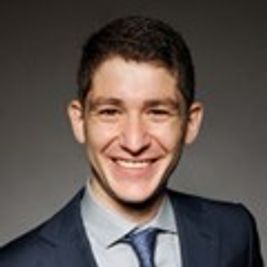
Mark Vorensky, PT, DPT
Assistant Professor
Institution:
Rutgers University
Home Mentor:
Gerard Fluet, PT, PhD, DPT and Pamela Rothpletz-Puglia, EdD, RD
Research Interests: Health equity, patient-clinician relationships, chronic musculoskeletal pain, connections between physical and psychosocial elements of patient care.
Dr. Vorensky is an Assistant Professor in the Department of Rehabilitation and Movement Sciences at Rutgers University. Dr. Vorensky completed his Doctor of Physical Therapy from Ithaca College in 2015 and his PhD in Rehabilitation Sciences from New York University in 2023. His dissertation research investigated the effects of patient-clinician relationships on pain and function among individuals with chronic low back pain. Dr. Vorensky's current research aims to examine how contextual factors, such as a clinicians' workload and autonomy, predict patient-clinician interactions and plan of care decision-making.
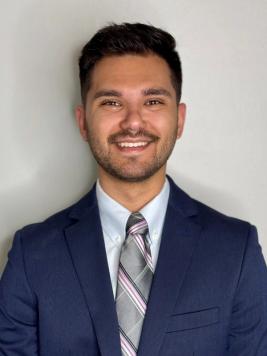
Ryan Wexler, ND, MSCR
Assistant Professor
Institution:
National University of Natural Medicine
Home Mentor:
Ryan Bradley, ND, MPH
A Multicomponent Intervention for Patients with Lumbar Radiculopathy: Move-MORE
Ryan Wexler, ND, MSCR, is a naturopathic physician-scientist and Assistant Professor at the Helfgott Research Institute at the National University of Natural Medicine. His research focuses on developing and evaluating multicomponent, mind-body interventions for patients with chronic pain, with particular emphasis on conditions involving nociplastic pain and central sensitization, such as chronic back pain and lumbosacral radiculopathy. Dr. Wexler uses mixed methods to examine how mind-body interventions affect physical function and psychosocial outcomes – including motivation, autonomy, and self-efficacy. His work also utilizes objective assessments including inertial measurement units, quantitative sensory testing, and actigraphy. He is particularly interested in the potential of digital health tools to increase accessibility and scalability of mind-body therapies. His planned projects involve web-based interventions to support behavior change and improve recovery in patients with musculoskeletal pain. His research centers community and patient engagement by integrating stakeholder feedback throughout the research process from intervention development to dissemination.
2025 Class of HEAL K12 Scholars
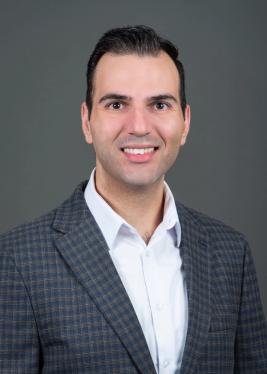
Mohamad Bittar, MD, MS
Assistant Professor
Institution:
Oregon Health & Science University
Home Mentor:
Jennifer Barton, MD, MCR
Unraveling Chronic Pain and Its Neural Mechanisms in Axial Spondyloarthritis
Dr. Mohamad Bittar earned his medical degree from the American University of Beirut. He completed his internal medicine residency at Indiana University School of Medicine and Rheumatology fellowship at Baylor College of Medicine. He also earned a Master of Science in epidemiology with a focus on clinical investigation from the University of Tennessee Health Science Center. Mohamad has a special interest in axial spondyloarthritis and ankylosing spondylitis. He directs the axial spondyloarthritis clinic at Oregon Health & Science University in Portland. He is the chair of the Education committee and member of the board of directors of SPARTAN (spondyloarthritis research and treatment network). He is currently focused on studying the pain mechanisms in axial spondyloarthritis.
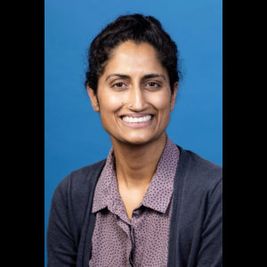
Jan Mooney, PhD
Research Fellow
Institution:
Emory University
Home Mentor:
Sil Soumitri, PhD, ABPP
Impact of Pain Prescribing Guidelines on Outpatient Pain Management for Youth with Sickle Cell Disease and Chronic Pain
Jan T. Mooney, PhD (she/her) is an early-career psychologist in the Aflac Cancer and Blood Disorders Center at Children’s Healthcare of Atlanta and Emory University School of Medicine specializing in pain management for youth with sickle cell disease. She received her doctorate in Health Psychology at the University of North Carolina at Charlotte, and completed her internship in clinical health psychology at Henry Ford Health in Detroit, Michigan. Dr. Mooney is experienced in providing integrative, non-pharmacological treatment approaches to youth with acute, recurrent, and chronic pain. Broadly, she is interested in understanding pain as a complex body experience, as well as how this experience may be influenced by cognitive orientation to it (e.g., acceptance, avoidance) and by larger systems and structures (e.g., racism, sexism, healthcare, law/policy).
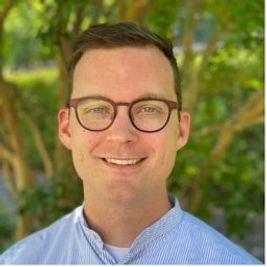
Scott Ravyts, PhD
Assistant Professor
Institution:
University of North Carolina at Charlotte
Home Mentor:
Jeanette Bennett, PhD
The Influence of Stress Exposure and Adverse Life Events on Pain Perception and Clinical Outcomes
Scott Ravyts, PhD is a licensed psychologist and an assistant professor in the Department of Psychological Science at the University of North Carolina at Charlotte. He completed his doctorate in clinical psychology at Virginia Commonwealth University followed by a research and clinical fellowship in pain psychology at Johns Hopkins University. His research examines how exposure to stress and adverse life events increases vulnerability to chronic pain and contributes to worse pain outcomes, with a particular emphasis on uncovering the biopsychosocial mechanisms that link adversity to pain.
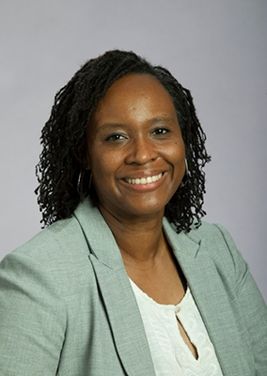
Antoinette Spector, PT, DPT, PhD
Assistant Professor
Institution:
Northwestern University
Home Mentor:
Rosalind Ramsey-Goldman, MD
Evaluating the feasibility and acceptability of a tailored, online self-management intervention to address pain interference among patients with systemic lupus erythematosus (SLE)
Dr. Antoinette Spector is an assistant professor in the Department of Physical Therapy and Human Movement Sciences in the Northwestern University Feinberg School of Medicine (NU-FSM) and serves as the director of the NU-FSM Doctor of Physical Therapy/Master of Public Health dual degree program. She is trained as an orthopedic physical therapist and spent 10 years in clinical practice before earning a PhD in Public and Community Health from the Medical College of Wisconsin. Dr. Spector’s research program centers on elucidating and addressing the social determinants of pain. Her current research focuses on developing effective and equitable pain management interventions for adults at increased risk of developing high-impact chronic pain, including adults living with systemic lupus erythematosus (SLE). Dr. Spector’s K12 project specifically aims to evaluate the feasibility and acceptability of a virtual self-management intervention that incorporates health coaching and physical activity monitoring to address pain interference among adults living with SLE.
2026 Class of HEAL K12 Scholars
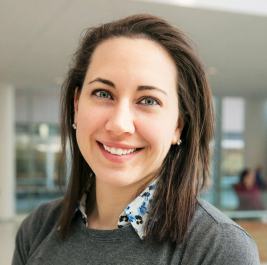
Sydney A. Axson, PhD, MPH, MHS, RN
Sydney A. Axson, PhD, MPH, MHS, RN
Institution:
Penn State University
Home Mentor:
Wenke Hwang, MA, PhD
Characterization of Pain Signaling and Autonomic Dysfunction in Rheumatoid Arthritis
Dr. Sydney Axson is an Assistant Professor at the Ross and Carol Nese College of Nursing and a Research Associate at the Rock Ethics Institute at Penn State University. She earned her MPH and PhD from the University of Pennsylvania and completed a postdoctoral fellowship in the National Clinician Scholars Program (NCSP) at Yale School of Medicine. Her research focuses on improving outcomes for adolescents and young adults at the intersection of chronic pain and substance use, with an emphasis on leveraging real-world data and causal inference methods. Her work aims to identify modifiable clinical decision points that improve pain management while reducing substance-related harms.
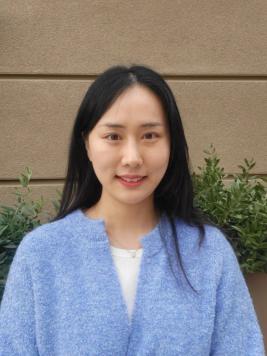
Chiyoung Lee, PhD, RN
Assistant Professor
Institution:
University of Arizona College of Nursing
Home Mentor:
C. Kent Kwoh, MD
Home-Based Dual-Site Neuromodulation for Comprehensive Pain Care in Older Adults with Knee Osteoarthritis Experiencing Chronic Widespread Pain
Dr. Chiyoung Lee is a researcher whose work sits at the intersection of musculoskeletal health and pain neuroscience. Her research program focuses on understanding and improving the pain experience in patients with knee osteoarthritis—encompassing not only its physical dimensions, but the psychological and neurological factors that shape how pain is perceived and processed. A central theme of her work is the use of multimodal approaches involving brain neuromodulation to improve symptoms in this population. Importantly, her research extends particular attention to individuals who experience chronic widespread pain alongside knee osteoarthritis pain—a subset of patients whose pain extends beyond the joint itself, reflecting broader alterations in pain regulation. By bridging clinical intervention with cutting-edge neuroscience, Dr. Lee's program aims to develop more targeted, effective treatments for one of the most prevalent and undertreated pain conditions worldwide.
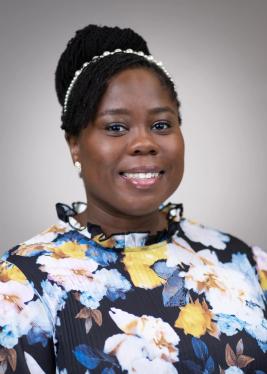
Olufunke Martin, MD
Assistant Professor
Institution:
University of Texas Southwestern Medical Center
Home Mentor:
Amol Patwardhan MD, PhD
Mechanistic Understanding of Vascular Adhesion Biomarkers and Pain in Pediatric Sickle Cell Disease (SCD)
Dr. Olufunke Martin is an Assistant Professor and Dedman Family Scholar in Clinical Care in the Department of Pediatrics, Division of Hematology and Oncology at UT Southwestern Medical Center (UTSW). Dr. Martin earned her Bachelor of Science in Human Biology from Brown University and her medical degree from Michigan State University College of Human Medicine. She completed her pediatric residency training at Riley Hospital for Children in Indianapolis, IN, and her pediatric hematology/oncology fellowship at Children’s National Hospital in Washington, D.C., where she was a T32 scholar and recipient of the Hematology Inclusion Pathway Fellow Award from the American Society of Hematology. The Martin Research Program at UTSW strives to advance patient-centered care by investigating red blood cell vascular adhesion biomarkers and their role in the pathophysiology of pain. This work leverages advanced screening tools for pain assessment and risk stratification to inform targeted, precision-based therapeutic approaches. Dr. Martin’s K12 project bridges biomarker discovery and clinical application to improve pain risk stratification and quality of life for children and adolescents living with sickle cell disease
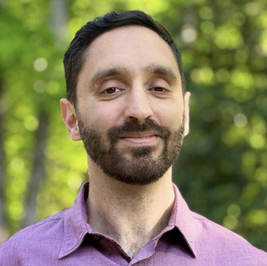
Shaddy K. Saba, PhD, LCSW
Assistant Professor
Institution:
New York University Silver School of Social Work
Home Mentor:
Marya Gwadz, PhD
Chronic Pain in Emerging Adulthood: Developing Innovative, Tailored, and Scalable Behavioral Health Intervention Components for Primary Care Settings
Dr. Shaddy Saba is an Assistant Professor at the NYU Silver School of Social Work, and a licensed clinical social worker. He studies chronic pain, and its intersections with behavioral health, among vulnerable populations. Dr. Saba also draws on innovative analytic approaches and technology, including data science, artificial intelligence, and digital interventions, to advance behavioral health. Dr. Saba's K12 research will focus on improving understanding and care for emerging adults with chronic pain, a population that is largely neglected in contemporary treatment research. Specifically, Dr. Saba plans to use the Multiphase Optimization Strategy (MOST) framework to identify and tailor behavioral health intervention strategies for this population, laying the groundwork for an optimized intervention that is scalable in real-world care settings. His work is informed by over fifteen years of clinical practice in chronic pain, substance use, and integrated care settings.
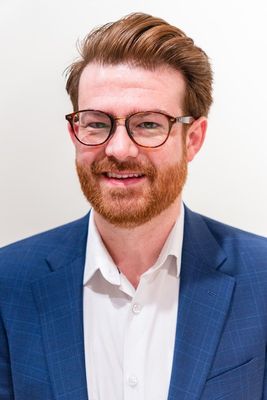
Justin Shepherd, PhD
Research Assistant Professor
Institution:
University of Houston
Home Mentor:
Michael J. Zvolensky, PhD
Characterizing Pain Sensitivity During Nicotine Withdrawal Among Individuals with Chronic Overlapping Pain Conditions
Dr. Justin Shepherd is a Research Assistant Professor in the Department of Psychology at the University of Houston, where he earned his PhD in Clinical Psychology, and Co-Director of the Research on Emotion, Substance Use Treatment Outcomes, Rehabilitation, and Empowerment (RESTORE) Laboratory. His research examines transdiagnostic mechanisms that underlie the co-occurrence of nicotine and tobacco use and mental and physical health conditions, with the goal of identifying malleable targets for behavioral intervention. He has contributed to multiple federally funded projects focused on smoking cessation, stress, and chronic pain across high-risk populations. Dr. Shepherd's K12 project uses ecological momentary assessment to examine how nicotine and tobacco abstinence influence pain sensitivity in adults with co-occurring chronic overlapping pain conditions, with the aim of informing just-in-time adaptive interventions that address both substance use and pain.
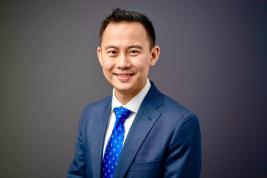
Han-Wei V. Wu, MD, MPH, MBA
Clinical Instructor
Institution:
Memorial Sloan Kettering Cancer Center
Home Mentor:
Jun J. Mao, MD, MSCE
Integrating Non-opioid Strategies for Pain in Adolescents and Young Adults with Cancer through Research (INSPIRE)
Han-Wei V. Wu, MD, MPH, MBA, is a Clinical Instructor at Memorial Sloan Kettering Cancer Center (MSK). His research focuses on improving pain and symptom management for adolescents and young adults (AYAs) with cancer. Specifically, Dr. Wu is investigating the impact and delivery of non-pharmacologic strategies to alleviate cancer-related pain in this vulnerable and underserved population. His long-term goal is to develop, test, and implement evidence-based, non-opioid pain interventions tailored to the unique needs of AYAs and translate these findings into clinical practice. Dr. Wu completed his undergraduate and medical studies through the BA/MD program at Northwestern University's Feinberg School of Medicine, where he also earned his MPH. He obtained an MBA from Northwestern University's Kellogg School of Management. He completed his pediatrics residency at the University of Illinois at Chicago (as part of the Accelerated Research Pathway of the American Board of Pediatrics), his pediatric hematology/oncology fellowship at MSK/New York Presbyterian Hospital-Weill Cornell Medicine (WCM), and a health services research fellowship at WCM.